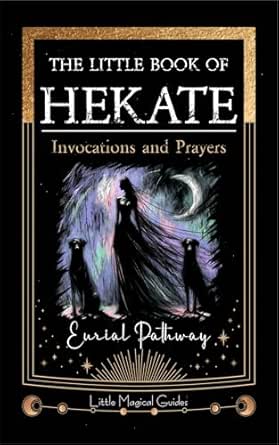
The Little Book of Hekate
Crossroads - Guidance - Devotion
A compact guide to Hekate prayers, invocations and devotional focus.
Editorial Guide
Hekate practice begins at the threshold: a candle, a key, a prayer, a decision and a willingness to meet the unknown with respect.
Hekate is associated with crossroads, keys, torches, night, spirits and liminal places. For beginners, this does not need to become elaborate. A doorway, a small altar or a quiet moment before a decision can become the threshold.
A simple beginning practice is to light a candle, speak Hekate's name, state why you are calling, ask for guidance or protection, and close with gratitude.
Traditional offerings associated with Hekate include eggs, garlic, bread, honey, wine, milk and small meals left at thresholds or crossroads. Modern practitioners often adapt these respectfully to their home and circumstances.
Hekate's Deipnon is connected with the dark moon and the clearing of old energy. Beginners can observe it by cleaning a threshold, making a small offering, saying a prayer and releasing what no longer belongs.
Prepare the space, light a candle, name the goddess, speak the intention, make the offering, listen in silence, then close the rite. The structure matters because it teaches the body when ritual begins and ends.
Over time, Hekate work can become a steady practice of protection, discernment, crossroads wisdom and courage in moments of transition.
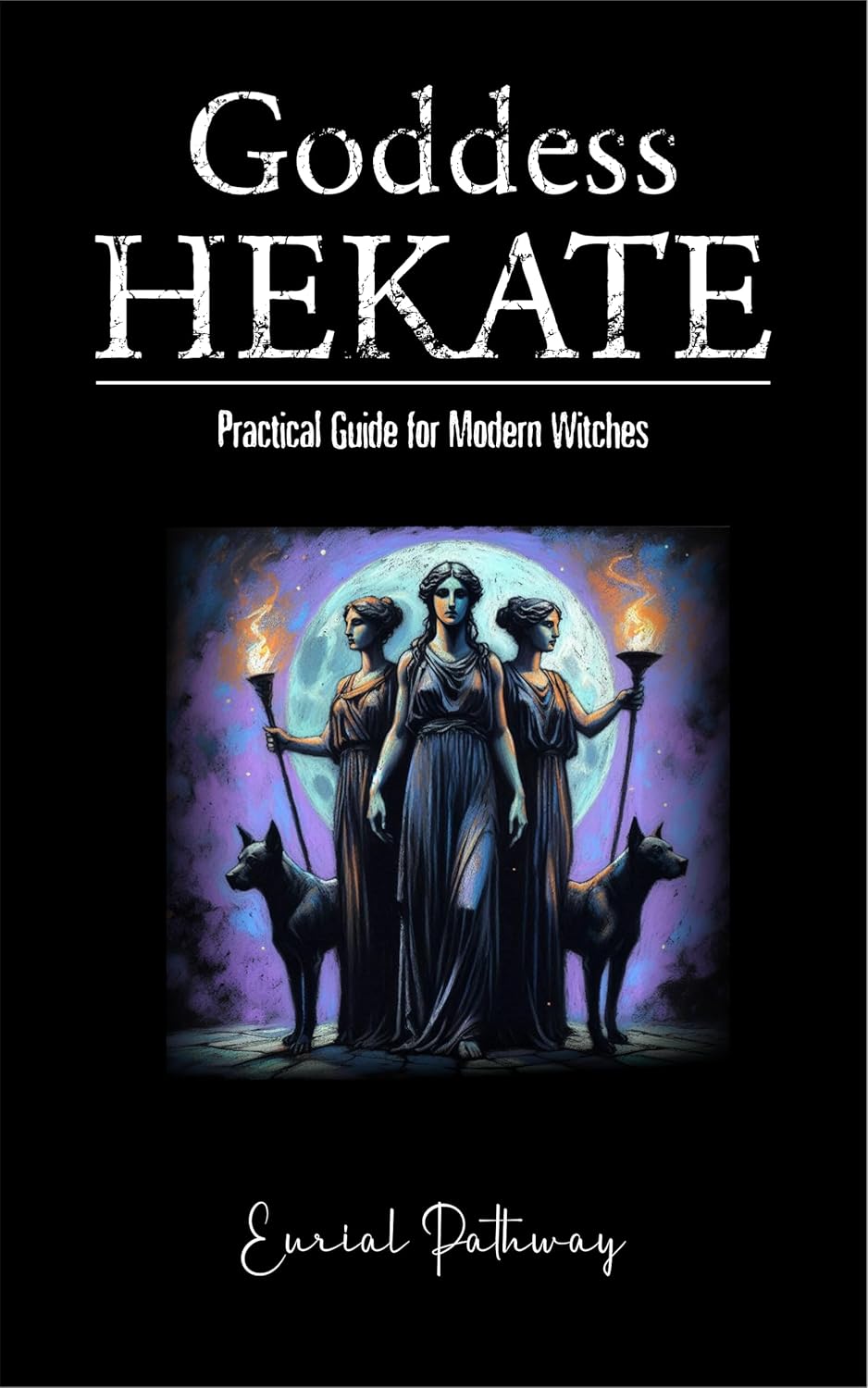
Begin with the compact prayer guide, then move into the deeper Hekate manual for modern witches.