
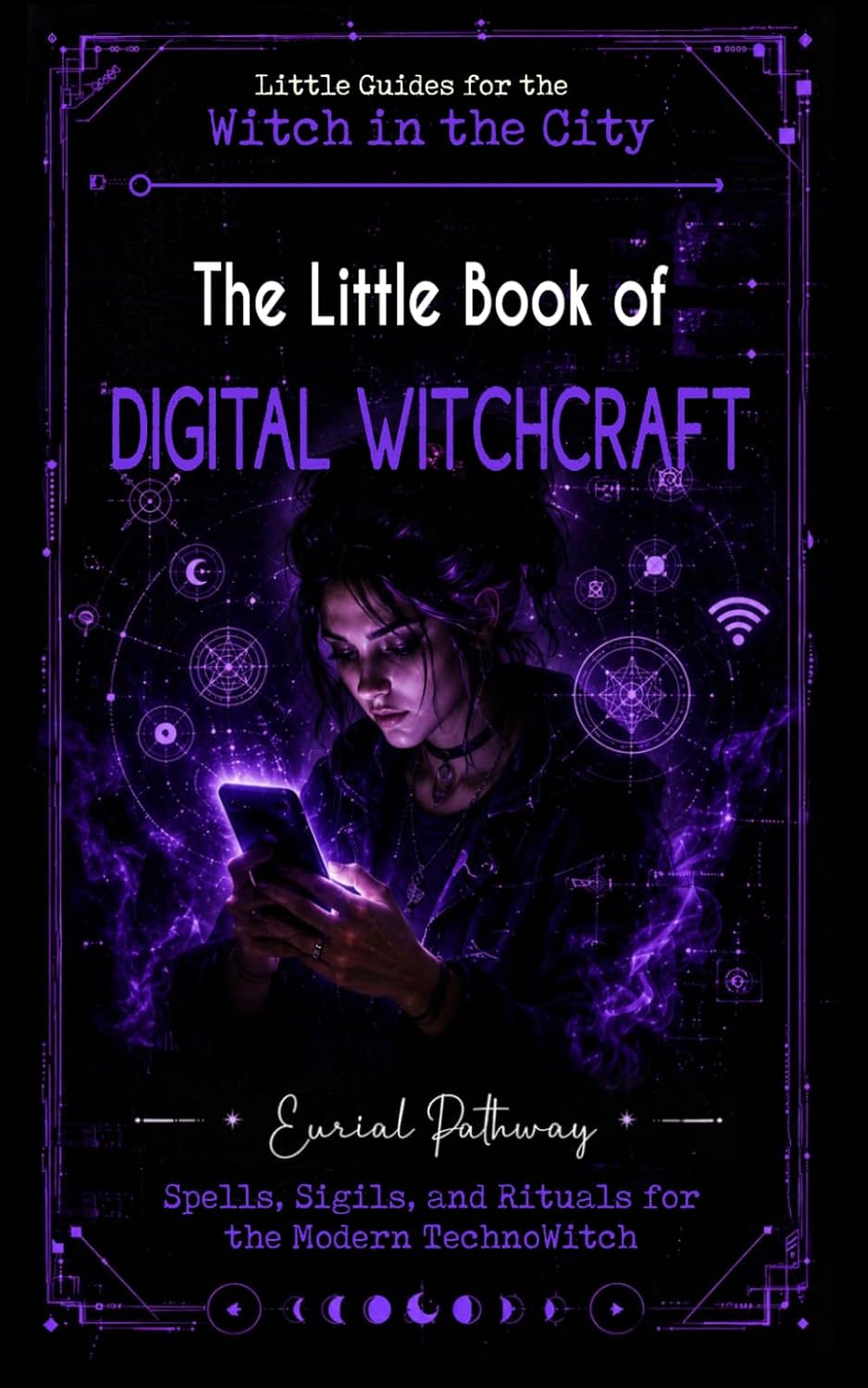
The Little Book of Digital Witchcraft
Technomagic - Sigils - Digital Ritual
A compact guide for modern witches working with screens, symbols, intention and everyday digital tools.
Editorial Guide
Digital witchcraft is the practice of adapting magical intention, symbols, sigils and ritual structure to the devices, screens and online spaces that shape modern life.
Digital witchcraft does not treat technology as separate from magic. It asks what happens when attention, repetition, symbolism and intention move through screens, passwords, folders, icons, images and messages.
A digital altar may be a private folder of symbols. A spell may begin with a repeated phrase typed into a note. A sigil may be charged through focus, lock screens, wallpapers or deliberate interaction with an image.
Technomagic works by giving modern tools a ritual role. The device is not the source of power; it is the container, mirror and amplifier for attention.
The strongest digital practices are simple: clear intention, symbolic action, repetition, privacy and a deliberate closing gesture. The same principles that make older rituals coherent can be translated into digital life.
Digital witchcraft is useful for protection, focus, communication, online boundaries, creativity and identity work. It fits readers who live much of their attention through digital systems and want a magical practice that acknowledges that reality.
It can also support urban witchcraft and chaos magic, because all three approaches are adaptable, symbolic and designed for modern environments.
Start with the dedicated technowitch guide, then continue into chaos magic for flexible symbolic methods.
Technomagic - Sigils - Digital Ritual
A compact guide for modern witches working with screens, symbols, intention and everyday digital tools.
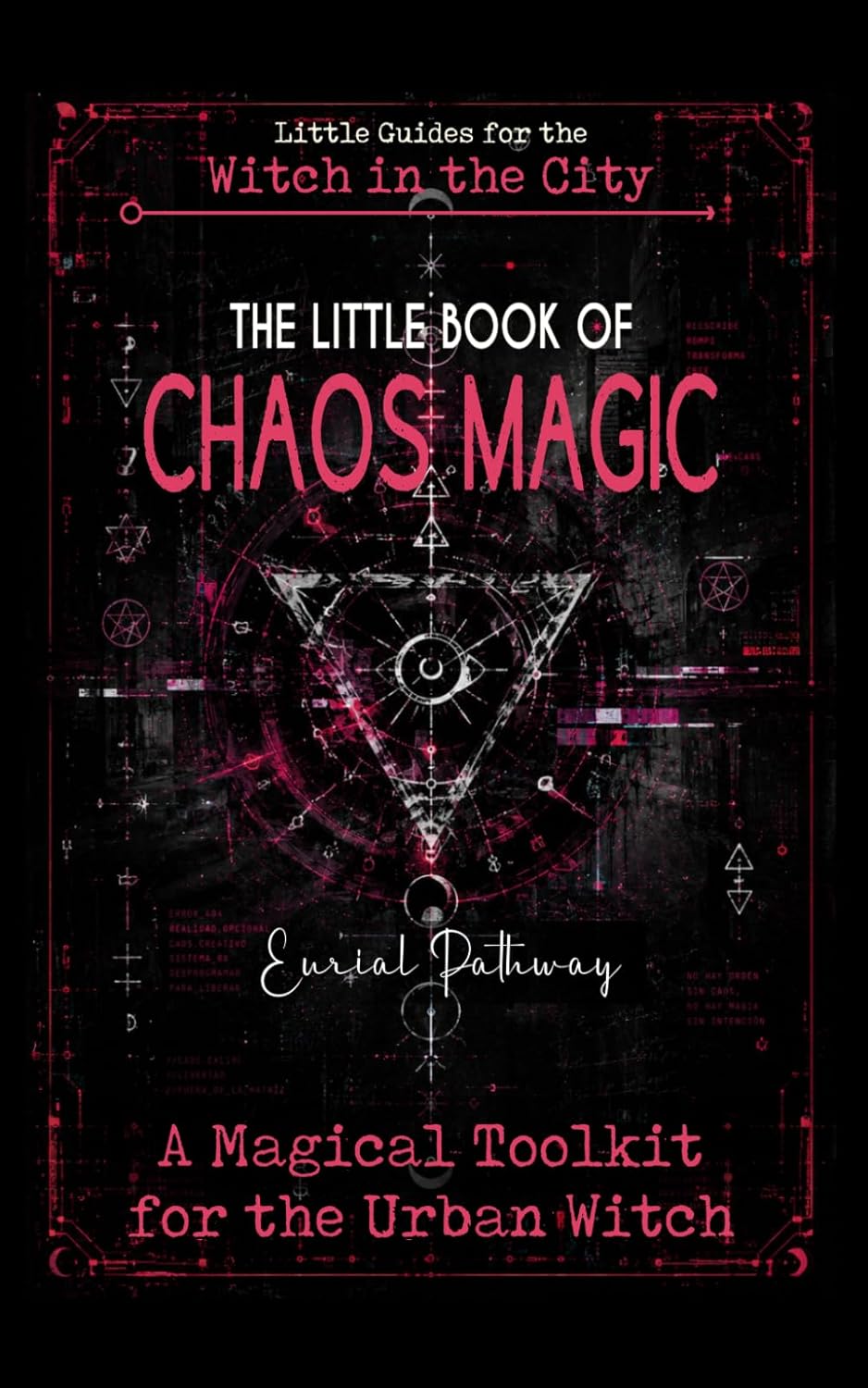
Chaos Magic - Street Magic - Technomagic
A flexible toolkit for sigils, technomagic and adaptable urban spellcraft.