
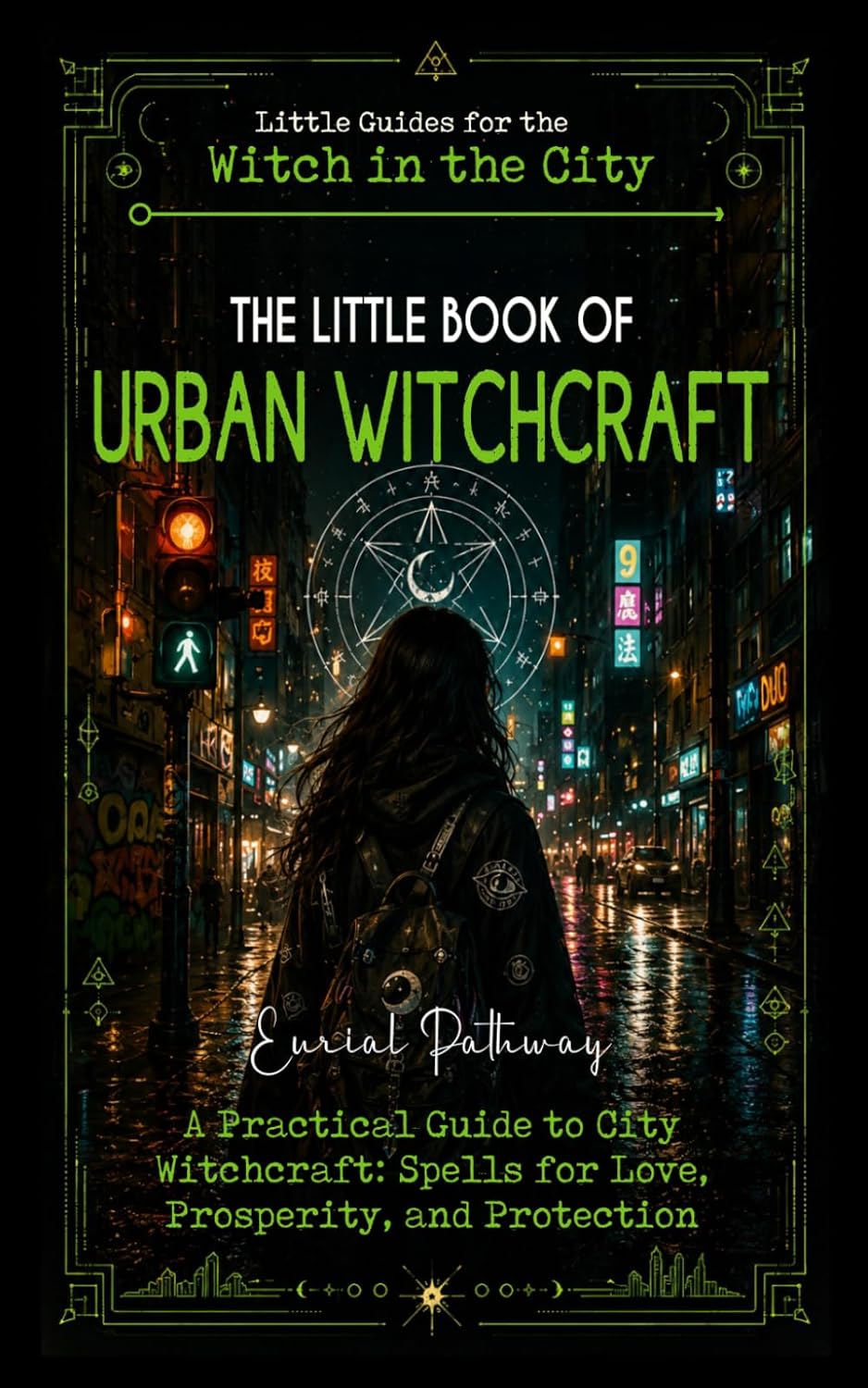
The Little Book of Urban Witchcraft
City Magic - Love - Prosperity - Protection
A practical guide to city witchcraft with spells for love, prosperity, protection and everyday urban practice.
Editorial Guide
Urban witchcraft is magical practice shaped by city life: apartments, streets, thresholds, transit, shops, offices, noise, crowds and small private rituals.
Urban witchcraft begins with the idea that the city is not spiritually empty. Crosswalks, doors, elevators, train stations, markets and windows are all thresholds where attention changes state.
A city witch learns to work with movement, timing, repetition and observation. The street becomes a place of signs; the home becomes a concentrated altar; the commute becomes a rhythm for focus and protection.
Urban practice does not require a large altar, garden or private ritual room. A candle, a bowl of water, a written charm, a key, a plant or a phone note can hold a complete magical structure.
The power of city witchcraft is adaptation. It works because it accepts modern constraints instead of waiting for perfect conditions.
City magic often focuses on protection, money, love, opportunity, visibility, boundaries and energetic cleansing after contact with crowded places.
It also pairs well with digital witchcraft because urban life and online life are often braided together: maps, messages, work, identity and movement all become part of the magical field.
Use the city witchcraft guide as the foundation, then explore digital and chaos magic for more adaptable methods.
City Magic - Love - Prosperity - Protection
A practical guide to city witchcraft with spells for love, prosperity, protection and everyday urban practice.
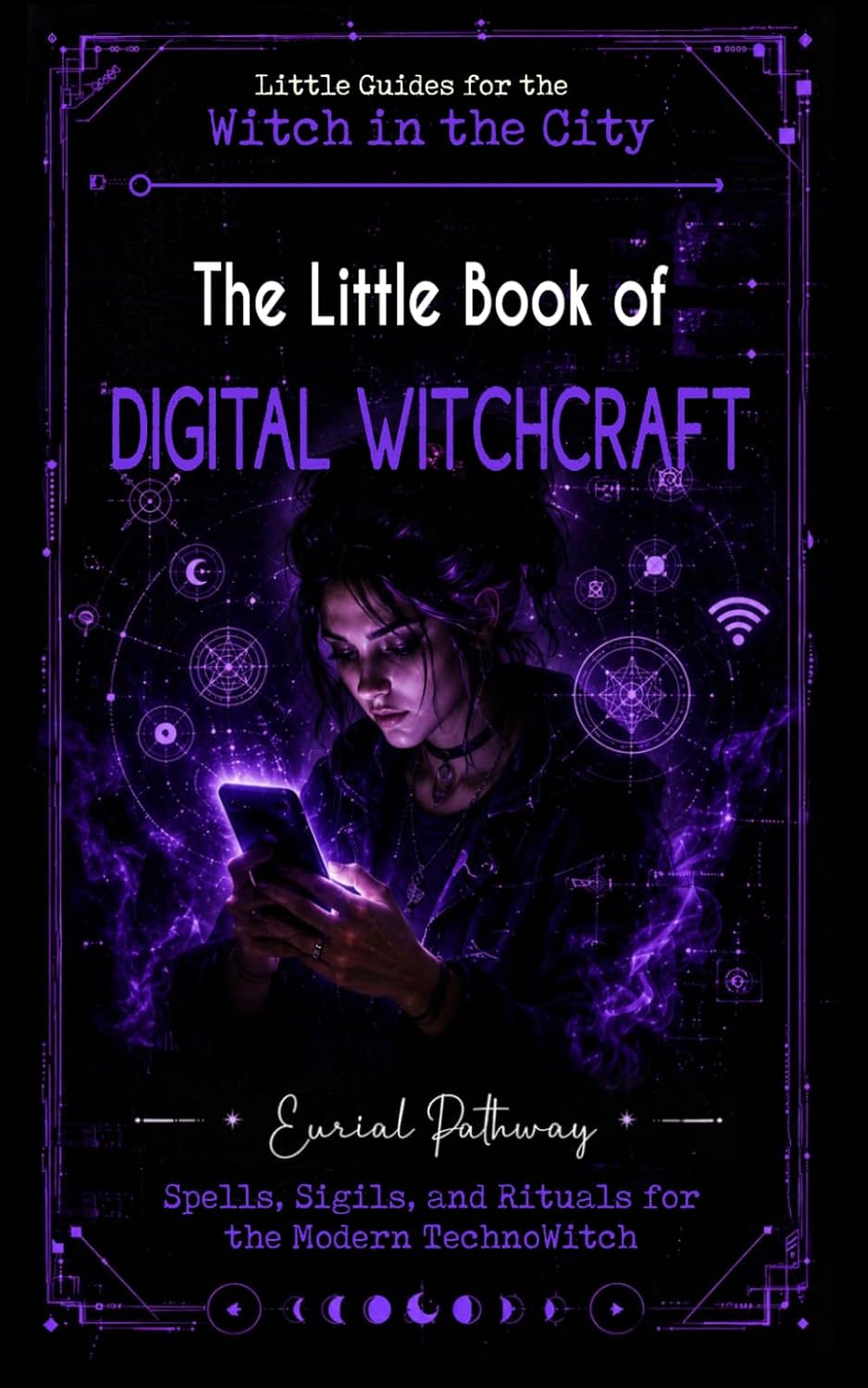
Technomagic - Sigils - Digital Ritual
A guide for weaving screens, symbols and digital habits into magical practice.